
Frequently Asked Questions
Quick answers to get you back on the water faster.
What is your turnaround time?
Our standard turnaround is 3-5 business days from the time we receive your propeller. During peak season (May-July), this can extend to 7 days. We offer a Rush Service (24-48 hours) for an additional fee.

Is my propeller too damaged to fix?
If a blade is missing more than 1/3 of its material or has cracked down to the hub, it is likely unrepairable. However, we can rebuild significant missing aluminum and stainless steel. Send us a photo for a quick assessment.

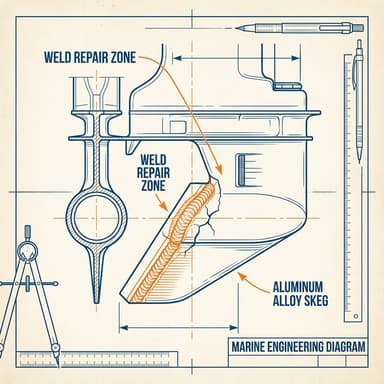
Do you repair Skegs and Lower Units?
Yes, we weld and rebuild skegs. For full lower unit rebuilds (gears), we partner with local marine mechanics but can coordinate the service.
How do I ship my prop to you?
We accept shipments via Canada Post, Loomis, Purolator, and Northern couriers (Gardewine, Calm Air). Please see our Shipping Guide for packaging instructions.

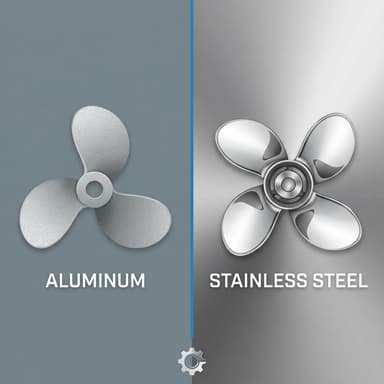
Aluminum vs. Stainless - which is better?
Stainless is 5x stronger and offers better performance (speed/fuel economy) but is more expensive. Aluminum is cheaper and acts as a fuse to protect your drive. See our Detailed Comparison Article.
My boat is struggling to get on plane. Could my propeller be the culprit?
Absolutely. Even minor, almost invisible bends in a propeller blade can disrupt water flow enough to kill your "hole shot." If your engine is revving high but the boat isn't moving as it should, your prop likely needs professional re-pitching or truing.

Can a slightly damaged propeller really hurt my engine?
Yes. A propeller that is out of balance (even by a few grams) creates harmonic vibrations. Over a season, these vibrations can shred your lower unit's seals and cause premature bearing failure, potentially leading to a multi-thousand dollar repair bill.
Is it worth repairing an aluminum prop, or should I just buy new?
If the repair cost is more than 50-60% of a new prop's price, we often recommend a replacement. However, for stainless steel, a repair is almost always more cost-effective, saving you hundreds of dollars compared to a new purchase.

Do you repair materials other than Aluminum and Stainless?
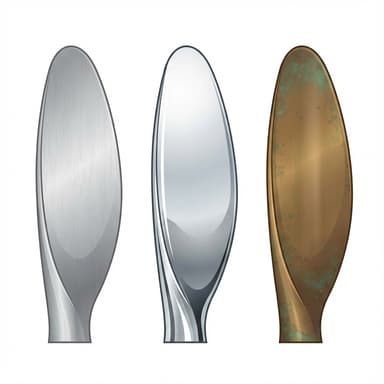
We specialize in Aluminum and Stainless Steel, but we also handle Bronze, Brass, and Nibral (Nickel-Bronze-Aluminum) propellers common on inboard and wake boats found across the Prairies.
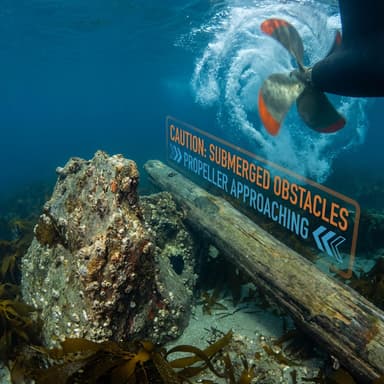
I hit a submerged object. What should I check besides the blades?
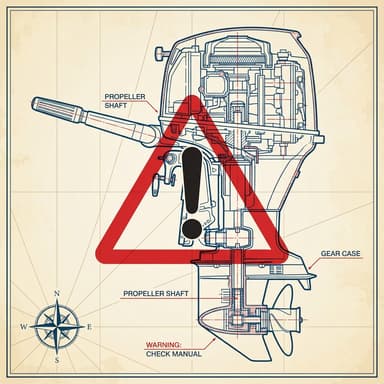
You should check your propeller shaft for "runout" (bending). Remove the prop and spin the shaft; if you see any wobble, the shaft is bent. A bent shaft will destroy your seals even with a brand-new propeller.
How often should I pull my prop for an inspection?
We recommend removing your propeller every 50 hours or at least once per season. This allows you to check for fishing line tangled around the seals and to re-grease the splines to prevent the prop from seizing to the shaft.

Can you adjust my prop's performance during a repair?
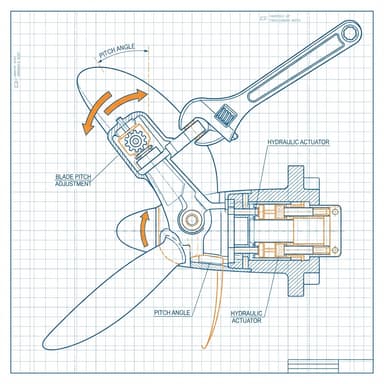
Usually, yes. We can often "tweak" the pitch up or down by 1-2 inches to help your boat reach its optimal RPM range, improving either your top-end speed or your towing power.
Does a beat-up prop really use that much more gas?
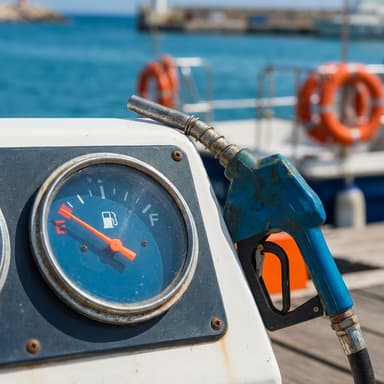
It can. A damaged propeller is inefficient, meaning your engine has to work harder and burn more fuel to maintain the same speed. In many cases, the fuel savings from a repaired prop will pay for the repair itself within a single summer.
Still have questions?
Our technicians are ready to help. Give us a call or send a message.